

sandblasted mirror design
How to Turn Off a Water Valve A Step-by-Step Guide Turning off a water valve is a crucial skill for homeowners and renters alike. Whether you are addressing a plumbing issue, conducting repairs, or preparing for a winter season, knowing how to properly shut off your water supply can save you from costly damages and ensure a safe living environment. In this guide, we will walk you through the steps to turn off your water valve effectively. Step 1 Locate the Water Valve The first step in turning off your water supply is to locate the main water valve. This valve is typically found near where the water line enters your home. Common locations include - Basement or Crawl Space If your home has a basement, the main water valve is often located there. - Outside In some houses, the water valve can be found on an exterior wall or in an underground valve box close to the street. - Near the Water Heater Sometimes, the main valve is situated near the hot water heater. Tip If you have trouble locating the valve, follow the main water line from the municipal connection into your home. Step 2 Identify the Type of Valve Water valves come in different types, and it's essential to know which type you are dealing with to proceed correctly. The most common types include - Gate Valve This type features a round handle that you turn clockwise to close the valve. - Ball Valve Look for a lever or handle. For a ball valve, you typically turn the lever 90 degrees to shut it off. - Compression Valve This valve has a round handle that you will turn clockwise to shut off the water. Step 3 Turn Off the Valve Now that you have located your valve and identified its type, it’s time to turn it off . - For Gate Valves Turn the handle clockwise until it can’t turn anymore. This may take several rotations. - For Ball Valves Turn the lever perpendicular to the pipe to shut off the valve. - For Compression Valves Turn the handle clockwise until firmly closed. how to turn off water valve Step 4 Test the Valve After turning off the valve, it is wise to check and ensure that the water supply has been effectively cut off. To do this 1. Turn on a faucet in your home, ideally one on the same level as the valve, and observe if water is still running. 2. If there is no water flow, congratulations! You have successfully turned off the water supply. Step 5 Drain the Pipes (if necessary) If you are planning a significant plumbing project or leaving your home for an extended period, it may be beneficial to drain the pipes. Here’s how to do it 1. Open the faucets in your home to allow any remaining water to escape. 2. Flush the toilets to empty the tanks. 3. You may also want to drain the water heater to prevent any issues during your absence. Step 6 Turn the Water Back On Once your repairs or maintenance tasks are complete, you will need to turn the water back on. To do this, follow the same steps in reverse 1. Locate the water valve. 2. Identify the type of valve. 3. Turn the valve counterclockwise for gate and compression valves, or switch the lever back to parallel for ball valves. 4. Turn on a faucet to let air out of the pipes and check for leaks. Conclusion Knowing how to turn off the water valve is an essential skill that can help you manage plumbing issues effectively. Whether you are handling a minor leak or shutting off the water for repairs, following these steps ensures you do it safely and efficiently. Always remember to locate the valve in advance, familiarize yourself with its type, and take the necessary precautions to protect your home from water damage. Taking these steps can empower you to handle plumbing concerns with confidence.
about
sandblasted mirror design
Snap-On Micrometer Precision Engineering Redefined In the world of precision measurement, few tools are as essential as the micrometer. Among various brands, Snap-On has established itself as a premier name, synonymous with quality and reliability. The Snap-On micrometer is not just another measuring instrument; it's a testament to innovation, craftsmanship, and the commitment to provide mechanics and engineers with tools that elevate the standards of their work. The Anatomy of a Snap-On Micrometer To understand why Snap-On micrometers stand out, it’s crucial to delve into their design and features. At its core, a micrometer is a device designed to measure small dimensions with incredible accuracy—typically down to one thousandth of a millimeter (or 0.001 mm). Snap-On micrometers are meticulously engineered for durability, incorporating high-quality materials that ensure longevity even in the toughest work environments. The structure of a Snap-On micrometer includes several key parts the frame, anvil, spindle, sleeve, thimble, and lock. The frame is designed to provide stability while the anvil and spindle make contact with the object being measured. The sleeve and thimble are crucial as they provide the readings. Snap-On utilizes a unique ratcheting mechanism that allows users to apply consistent pressure when measuring, thus reducing the risk of error due to operator force. Accuracy and Calibration One of the hallmarks of Snap-On micrometers is their unparalleled accuracy. Each micrometer undergoes rigorous quality control checks during production to ensure it meets the stringent standards that professionals expect. Calibration is fundamental in maintaining accuracy over time, and Snap-On makes it easy for users to recalibrate their tools to ensure they remain precise. Regular calibration is vital, especially in industries where measurements can significantly impact safety and performance. Versatility in Applications snap on micrometer Snap-On micrometers are versatile tools utilized across a wide array of industries, including automotive, aerospace, manufacturing, and electronics. In automotive mechanics, for example, precise measurements are essential for fitting engine parts, ensuring the right tolerances for optimal performance. Aerospace components often require measurements to the nearest micrometer, where even the slightest error can have serious consequences. Snap-On micrometers rise to these challenges, making them indispensable in the toolkit of professionals across diverse fields. User-Friendly Features Despite their sophisticated design, Snap-On micrometers are engineered with user comfort in mind. The ergonomic handles allow for easy gripping, reducing fatigue during prolonged use. Additionally, many models feature digital displays that provide quick readings, eliminating the need for complex conversions and enhancing user experience. The intuitive design fosters efficient workflow, allowing users to focus on the task at hand without the distraction of difficult measurements. Maintaining Your Snap-On Micrometer To maximize the longevity and performance of a Snap-On micrometer, proper maintenance is paramount. Users are encouraged to keep the micrometer clean and free from debris that could interfere with accurate measurements. Storing the tool in a protective case when not in use can prevent damage and maintain calibration. Furthermore, regular inspection for wear and tear is essential, as even minor issues can lead to significant measurement errors. Conclusion In summary, Snap-On micrometers represent the pinnacle of precision measurement tools. Their robust construction, unparalleled accuracy, versatility in application, and user-friendly features make them a preferred choice among professionals worldwide. Investing in a Snap-On micrometer means equipping oneself with a reliable instrument that not only meets but exceeds expectations in precision engineering. Whether you're a seasoned engineer or an aspiring mechanic, a Snap-On micrometer will undoubtedly be an asset in achieving accuracy and excellence in your work.
-

High quality industrial productsagement

High quality industrial products
View Details -

Meet the diverse needs of customers

Meet the diverse needs of customers
View Details -

Strict quality control

Strict quality control
View Details -

Top raw materials

Top raw materials
View Details -

Trusted supplier

Trusted supplier
View Details
Our application



news and information

workbench fabrication table for efficient welding projects and workspace organization
The Importance of a Workbench Welding Table in Modern Fabrication In the realm of metalworking and f

Vanne à bille de 6 pouces pour des applications industrielles fiables et efficaces
La valve à clapet à bille de 6% La valve à clapet à bille, souvent désignée sous l'appellation de va
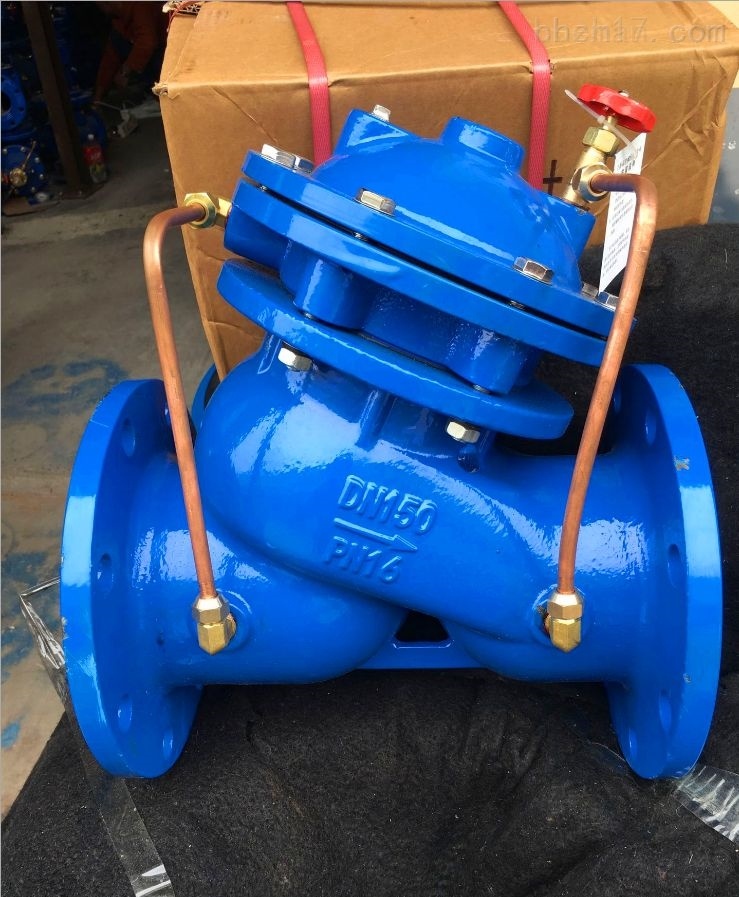
valvole ad acqua accese o spente
Valvole dell'Acqua Accese o Spente? Nel mondo moderno, l’acqua è una risorsa preziosa e limitata. La
 English